All hazards, every hour.
Fire suppression and emergency medical care are the core of the job. Special operations teams handle everything else.
Operations leadership
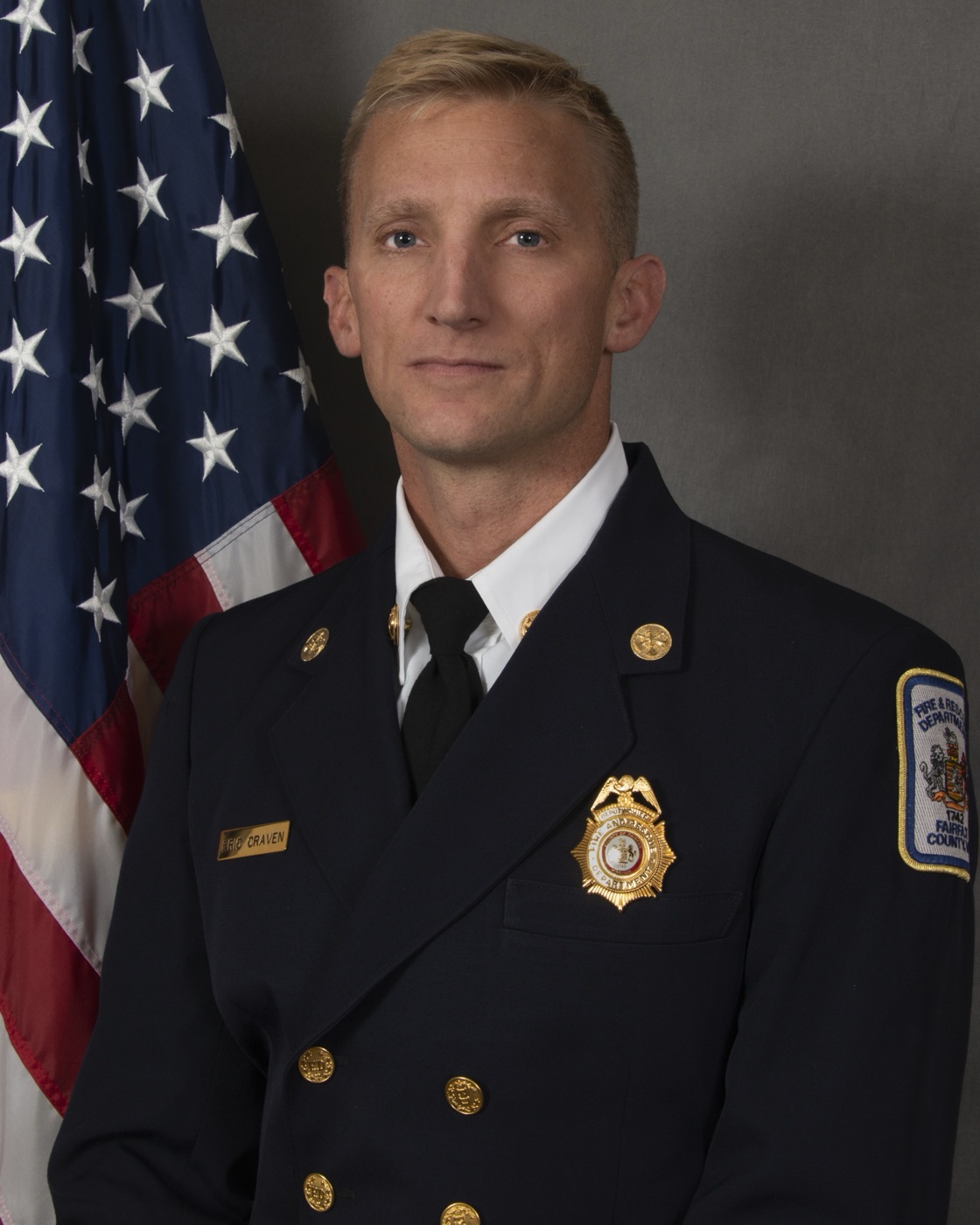 Eric CravenAssistant Chief, Operations Bureau
Fire
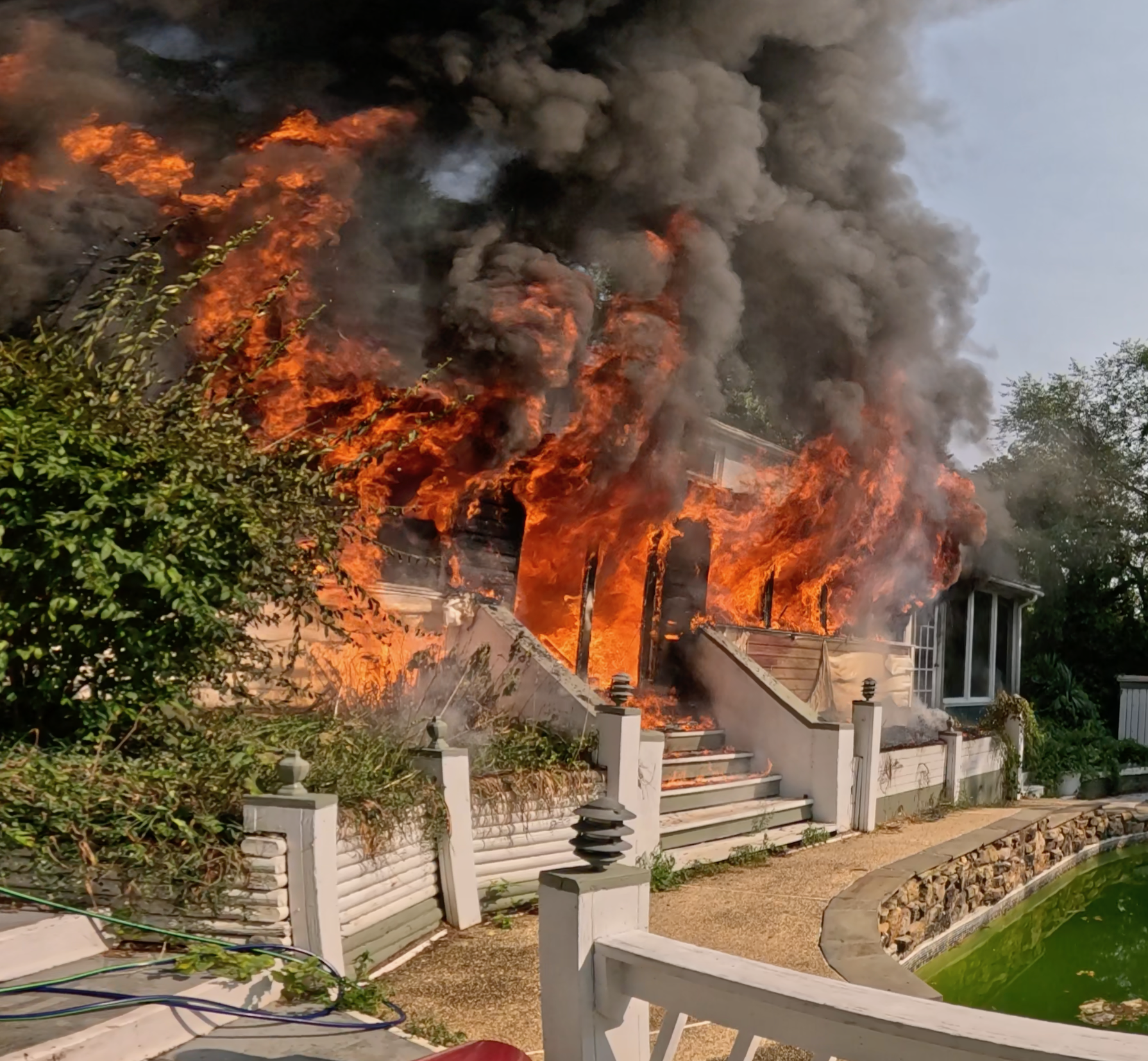
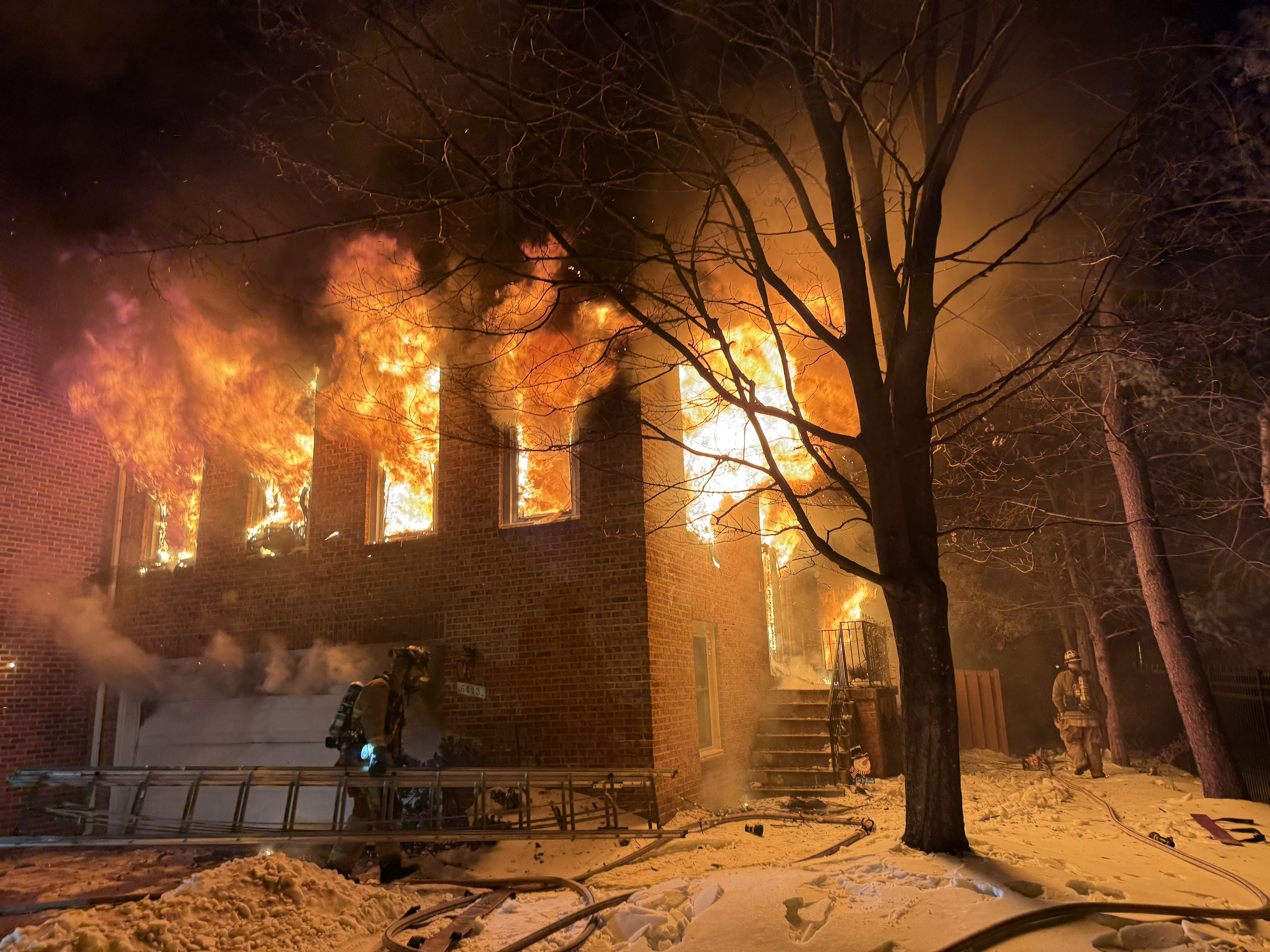
Fire suppression
Every station has an engine company ready to roll. Ladder trucks, heavy rescues and tankers back them up, and three shifts keep at least 363 people on duty every day.
- Each engine carries a crew of four, a 1,250 gallon-per-minute pump and 750 gallons of water.
- Ladder trucks reach 100 feet and handle search, ventilation and rescue.
- Every engine, truck and rescue has at least one paramedic on board.
- Volunteers staff additional engines, medic units and ambulances.
- engines
- 39engines
- ladder trucks
- 14ladder trucks
- heavy rescues
- 8heavy rescues
- fire incidents in 2023
- 13,922fire incidents in 2023
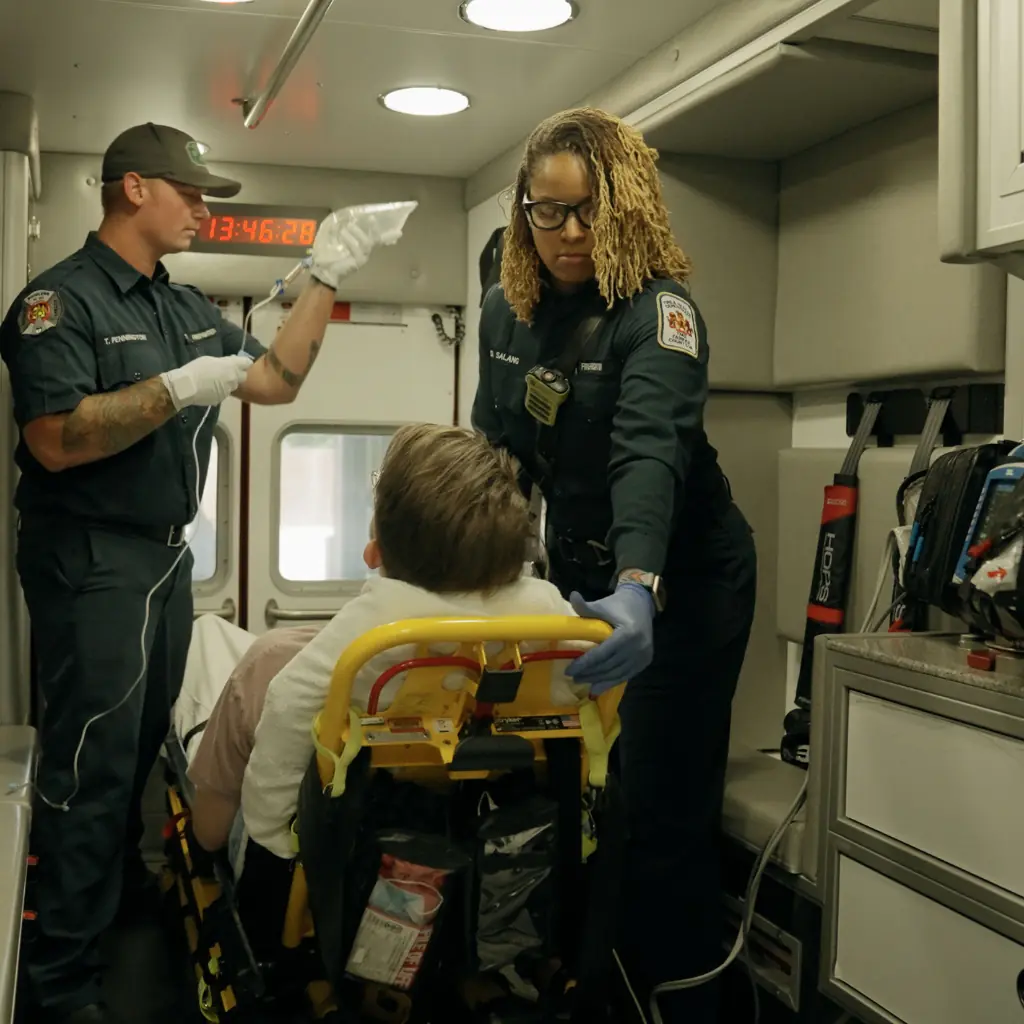
EMS
Emergency medical services
Paramedics ride engines, trucks and medic units, so advanced life support usually arrives with the first unit on scene.
- A two-tier system sends advanced life support medic units to the most serious calls and basic life support ambulances to the rest.
- Two medical directors are on staff. They respond to incidents, mentor providers and teach.
- New paramedics complete a six-month field internship. Continuing education happens on duty, in immersive classrooms and an anatomy lab.
- An EMS supervisor is on duty in every battalion.
- medical emergencies in 2023
- 85,505medical emergencies in 2023
- patients taken to hospitals in fiscal year 2025
- 66,488patients taken to hospitals in fiscal year 2025
- advanced life support medic units
- 23advanced life support medic units
- basic life support ambulances
- 20basic life support ambulances
Special operations
Teams with extra training and equipment for the calls that need them, here and around the world.
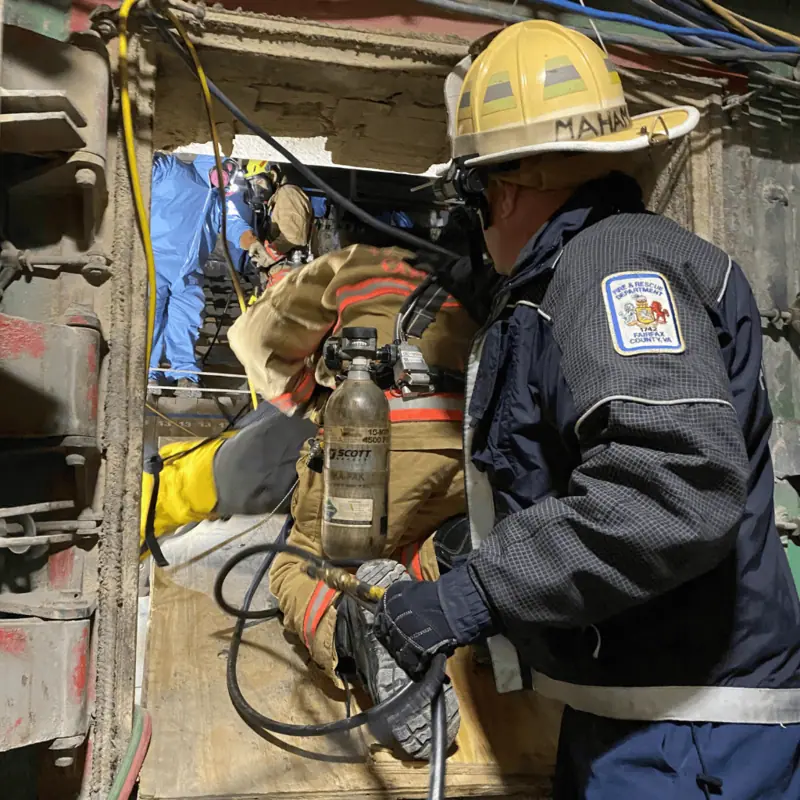
TROT
Technical Rescue Operations Team
The rescues that need ropes, shoring and specialist training: cranes and cliffs, tunnels and tanks, collapsed buildings and trenches, and fast water.
- High-angle rescues on cranes, cliffs and high-rise buildings.
- Confined-space rescues in tunnels, tanks and sewers.
- Building and trench collapses, and industrial and transportation accidents.
- Swift water rescues on flooded streams and roads and in Great Falls Park.
Based atGreat Falls, Burke, Jefferson, Fair Oaks, North Point
- stations with technical rescue resources
- 5stations with technical rescue resources
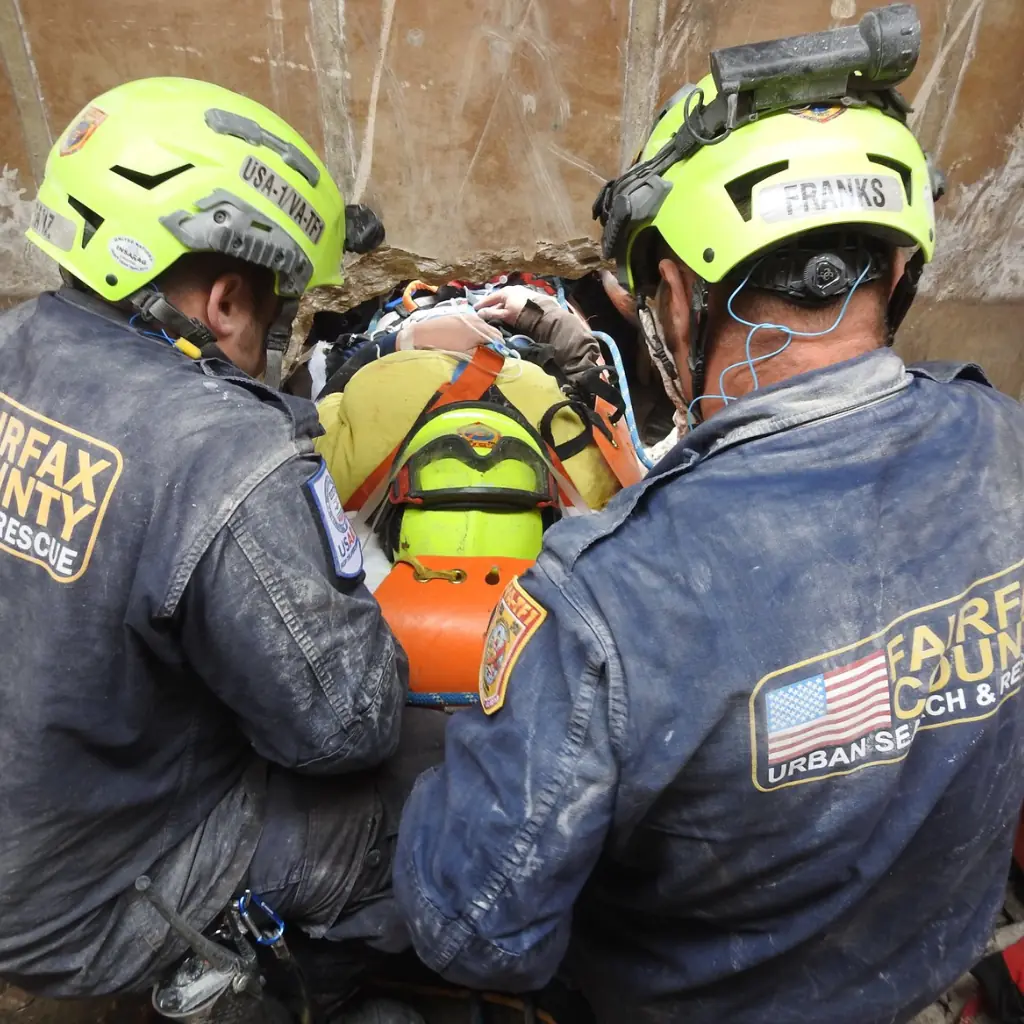
VA-TF1
Urban Search and Rescue
Virginia Task Force 1 at home, USA-1 abroad. The team finds and frees people trapped in collapsed structures after disasters anywhere in the world.
- Sponsored by the department since 1986, the team is one of 28 in the FEMA national system and one of two that deploy internationally, for the U.S. Department of State.
- Its members include firefighters and civilians: structural engineers, physicians, paramedics, and specialists in heavy rigging, collapse rescue, canine and technical search, hazmat, communications and logistics.
- The team can be wheels-up within six hours and sustain itself for days before needing resupply.
- trained members
- 200+trained members
- to deploy anywhere in the world
- 6 hoursto deploy anywhere in the world
- maximum deployment
- 21 daysmaximum deployment
- of equipment carried
- 65,000 lbof equipment carried
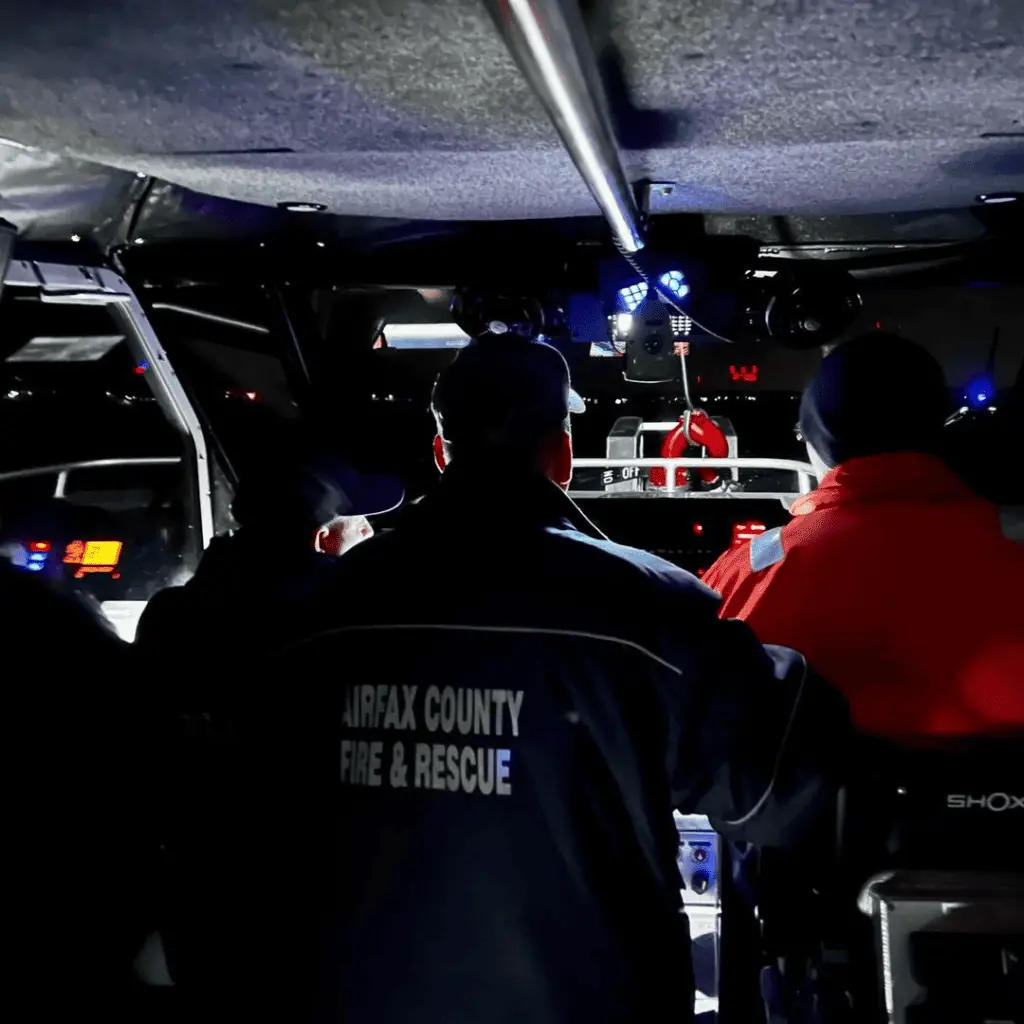
Marine
Marine Operations
Emergencies on Gunston Cove, Occoquan Bay, and the Virginia waters of the Potomac and Occoquan rivers.
- The fire boat is staffed by trained crews at Fire Station 20, Gunston.
- Under cooperative agreements, crews also respond in Maryland and District of Columbia waters when asked.
Based atGunston
- home of the fire boat
- Station 20home of the fire boat
DFR
Drone as First Responder
Based at
Hazmat
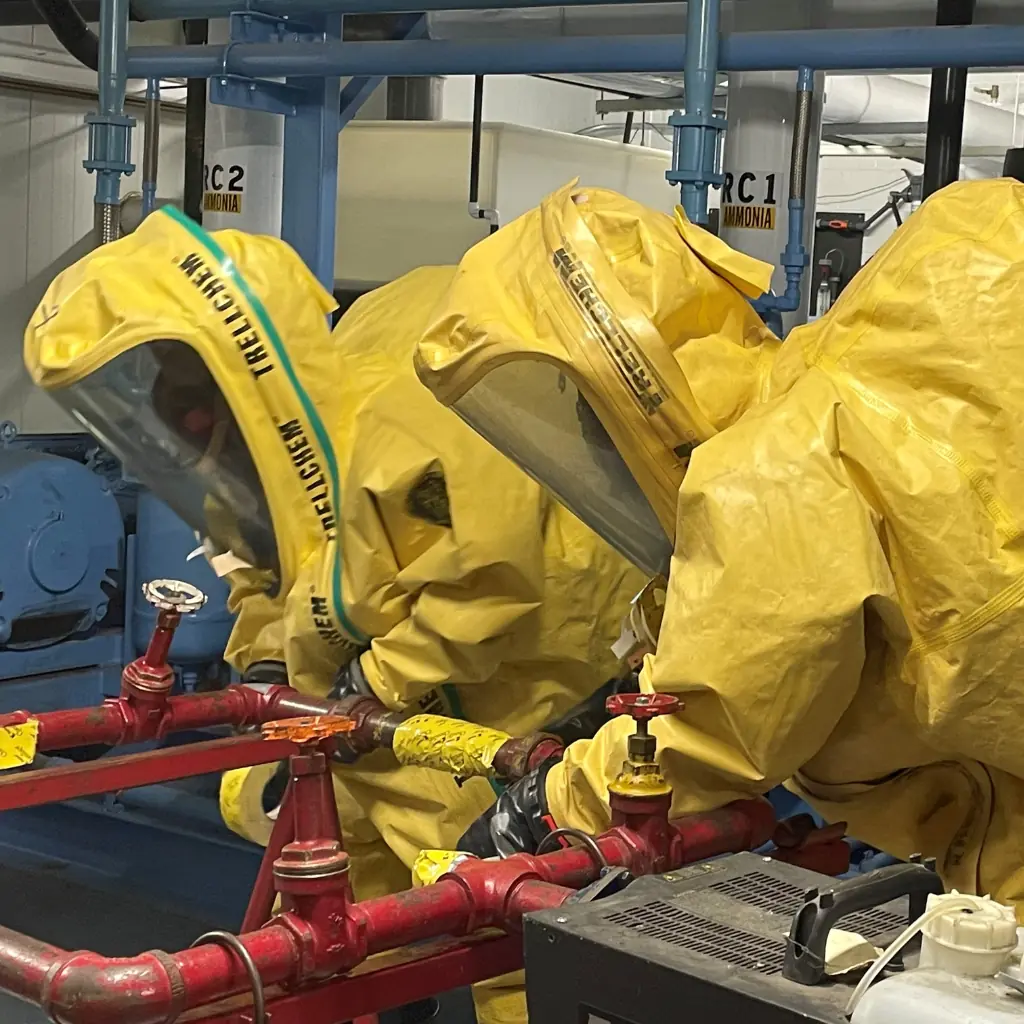
Hazardous Materials
Fuel spills, gas leaks, and chemical, biological and radiological releases, including those tied to environmental crime and terrorism.
- The team identifies unknown chemicals, contains releases, and decontaminates people and property.
- It also runs foam operations for tank farm, pipeline and transportation incidents involving flammable liquids.
Based atMcLean, Penn Daw, Lorton, Edsall Road, Fairfax Center
- stations with hazmat resources
- 5stations with hazmat resources
FIS
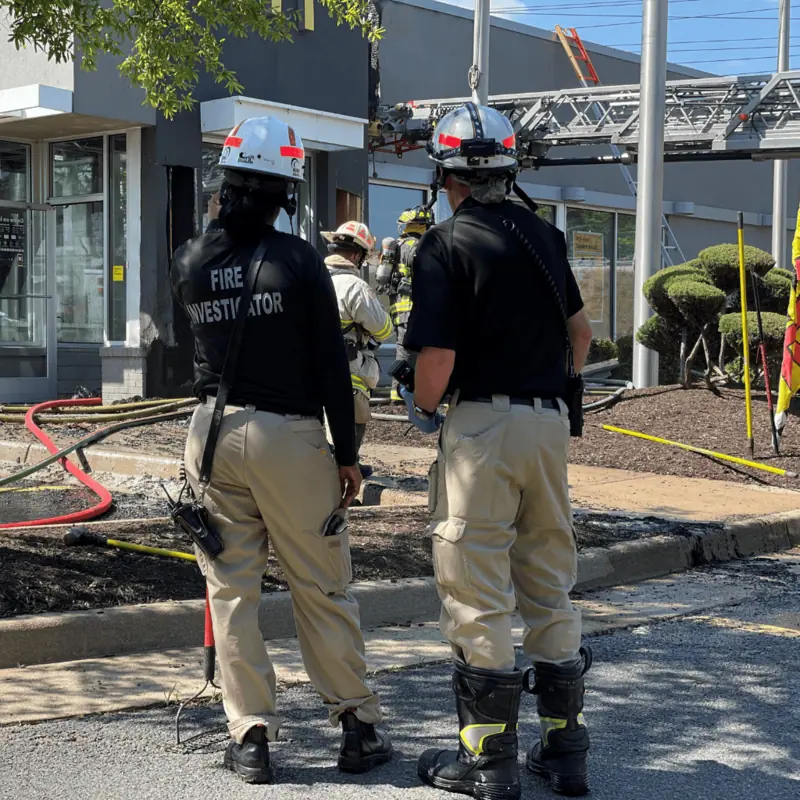
Fire Investigations
Investigators with the Office of the Fire Marshal determine the cause of every fire and explosion in the county, and they have the authority to bring charges.
- The section enforces the Virginia Statewide Fire Prevention Code and parts of the state criminal code.
- It also investigates environmental crimes such as illegal dumping and hazardous material discharges, and makes sure they are cleaned up.
- certified investigators
- 13certified investigators
- coverage
- 24/7coverage